WOODWORKING BASICS
WoodCraftCore introduces simple woodworking habits for beginners: measuring before cutting, reading wood grain, sanding with control, checking square corners, and preparing small pieces before moving into larger projects.
FIRST PRACTICE STEP
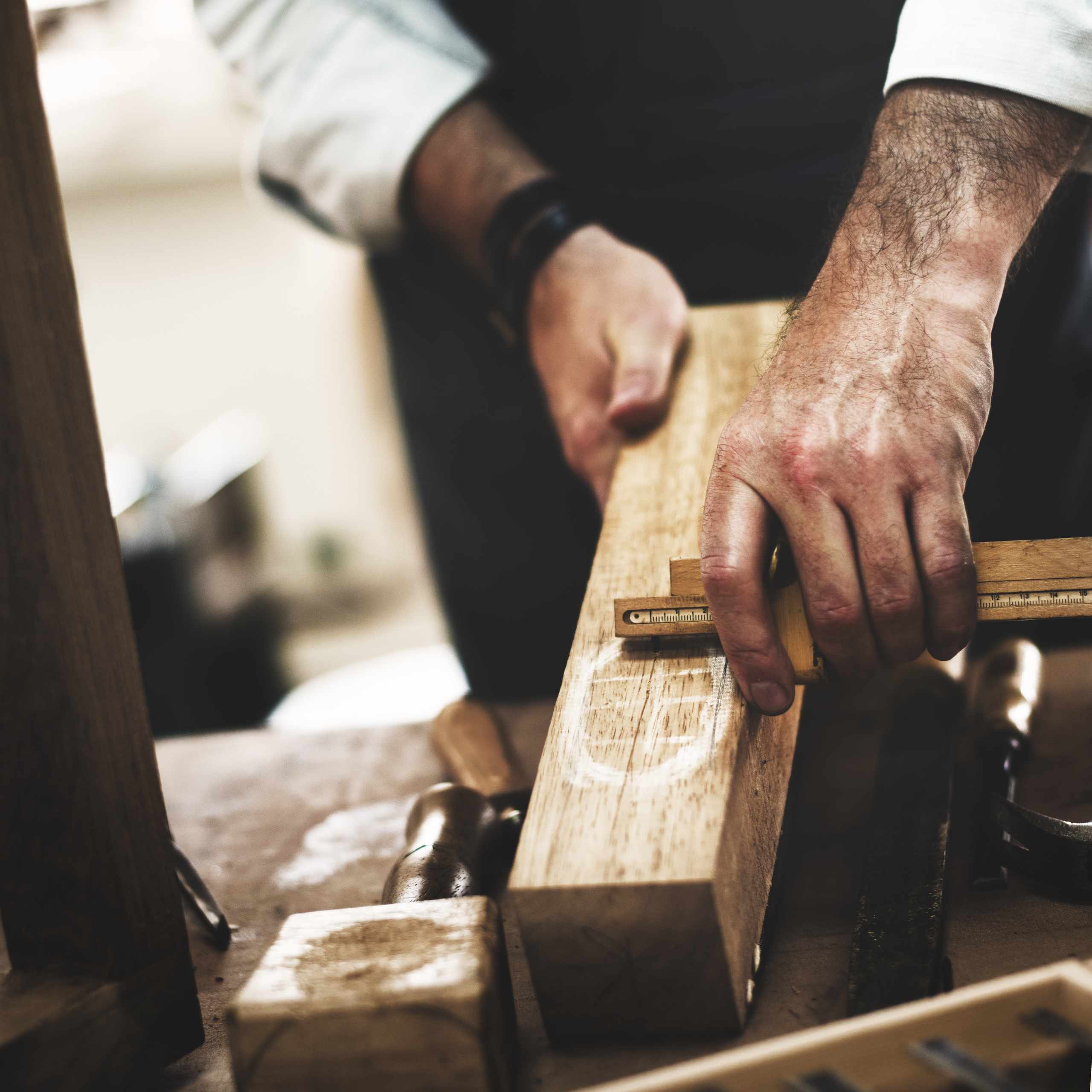
MEASURE, MARK, AND CHECK
Good woodworking starts before the saw moves. The course helps beginners slow down at the pencil line, compare measurements, choose the cutting side, and check each piece before removing material.
Practice can begin with scrap wood, a square, a measuring tape, and short repeatable tasks that make early mistakes easier to see and correct.



STRAIGHT CUTS AND CLEAN EDGES
Instead of rushing into complex builds, WoodCraftCore focuses on small operations: supporting the board, following a marked line, noticing tear-out, sanding through grits, and keeping edges from becoming rounded too soon.
Beginner notes cover grain direction, hand saw control, sanding blocks, pilot holes, and the checks that make simple wood pieces fit more cleanly.
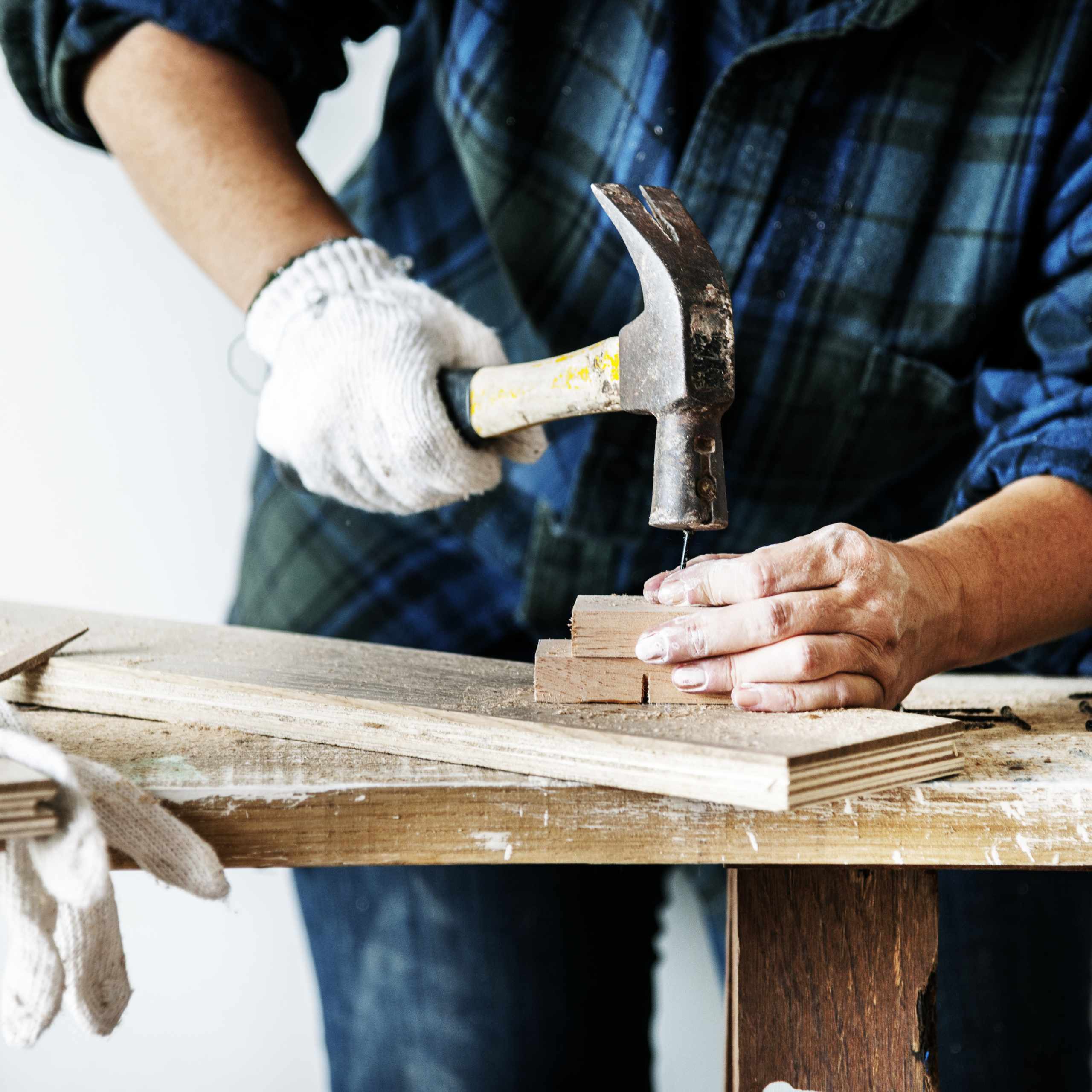

FROM SCRAP TESTS TO SIMPLE ASSEMBLIES
The course approach uses dry fits, clamp tests, glue practice, and finish samples so beginners can understand how wood behaves before using project pieces.
ASK ABOUT WOOD PRACTICE
WOODCRAFTCORE
Not sure which tools, boards, or first practice tasks make sense? Ask about measuring, cutting, sanding, clamps, finish samples, or how to begin with basic materials at a comfortable pace.
The course made the first steps feel manageable. I stopped guessing at the line and learned to check square, grain direction, and fit before moving on.

Shiro Funabashi
I liked practicing on scrap wood first. Sawing, sanding, and clamping made more sense once I could see what each small mistake did to the final piece.

Yuka Moriyama
The lessons helped me slow down with glue, pilot holes, and surface prep. I now understand why a dry fit matters before trying to assemble anything.